DC’s Historic Home Remodels: Balancing Preservation and Modern Living
October 8, 2024 · 4 min read · AC Remodeling
Simply put, historic homes are beautiful and timeless. But in today’s modern society, it may be necessary to enhance your living, whether it’s to make your life easier or to save money on bills.
Let’s say you love the look of your historic DC home and don’t want to diminish the city’s past or compromise it if you’re considering renovations or upgrades, but you want some upgrades. We’re here to tell you that’s possible—with the right tips and DC home remodeling contractor by your side, of course.
Why Preservation Matters in DC’s Historic Districts
Washington, DC, has some of the most famous historic neighborhoods in the country, each with its own character and architectural importance. Preserving these homes isn’t just about their looks – it’s about the city’s history for future generations.
DC’s Historic Neighborhoods
Georgetown, Capitol Hill, and Dupont Circle are the most well-known historic districts in DC, each a window into the past. Georgetown has cobblestone streets and Federal-style row houses—the quintessential 18th-century neighborhood. Capitol Hill has Victorian-era townhouses with intricate details and craftsmanship. Dupont Circle has Romanesque, Queen Anne, and Beaux-Arts architecture in a neighborhood rich in history.
Keeping the architectural style of these neighborhoods intact is key to their historic character. Homeowners are encouraged to keep the original features – brick facades, woodwork, slate roofs – to maintain the look and authenticity of the time period.
Regulations and Guidelines for Historic Home Renovations
Remodeling a historic home in DC is heavily regulated to protect its architectural and cultural importance. The Historic Preservation Review Board (HPRB) oversees renovations in historic districts, making sure any changes comply with preservation guidelines. This can mean restrictions on exterior changes or requirements to use historically accurate materials.
Getting permits and following these guidelines is key for homeowners who want to keep their homes historic. Non-compliance can mean fines or loss of historic designation which can impact the property’s value and the neighborhood’s character. So it’s important to know and follow the rules when remodeling or restoring DC’s historic districts.
Common Challenges in Modernizing Historic Homes
Modernizing a historic home is all about finding the balance between modern upgrades and original charm. If you own a historic home in DC, you may face several challenges in keeping the home’s history intact while making it livable today.
Challenge #1: Upgrading Infrastructure Without Changing Aesthetics
Old plumbing, electrical, and insulation in historic homes need to be upgraded to meet modern safety and efficiency standards. The challenge is to upgrade these systems without changing the look of the home. Solutions like in-wall wiring and hidden HVAC systems allow for modernization without visible changes, keeping the historical design intact.
Challenge #2: Increasing Energy Efficiency in Historic Homes
Preserving original windows while increasing energy efficiency is a common conundrum. Storm windows or secondary glazing add insulation without changing historic features. Additional energy-efficient upgrades, like insulating attics or using modern appliances, can be done without changing the look of the home.
Challenge #3: Limited Space for Modern Amenities
Many historic homes don’t have space for modern amenities like large kitchens, storage or bathrooms. Homeowners have to get creative by reconfiguring existing layouts or building additions that match the original architecture, so the home’s historical value is preserved.
AC Remodeling · Design Build
Schedule a Design Consultation
Every project starts with a conversation, not a sales pitch. We'll respond within one business day to discuss your vision.
Key Areas of Focus in Historic Home Remodels
When remodeling historic homes in DC, certain areas often require more attention due to their heavy use and modern functionality needs. Kitchens and bathrooms, in particular, must be upgraded thoughtfully, while preserving original woodwork and materials maintain the home’s historic character.
Kitchens and Bathrooms: Blending Old and New
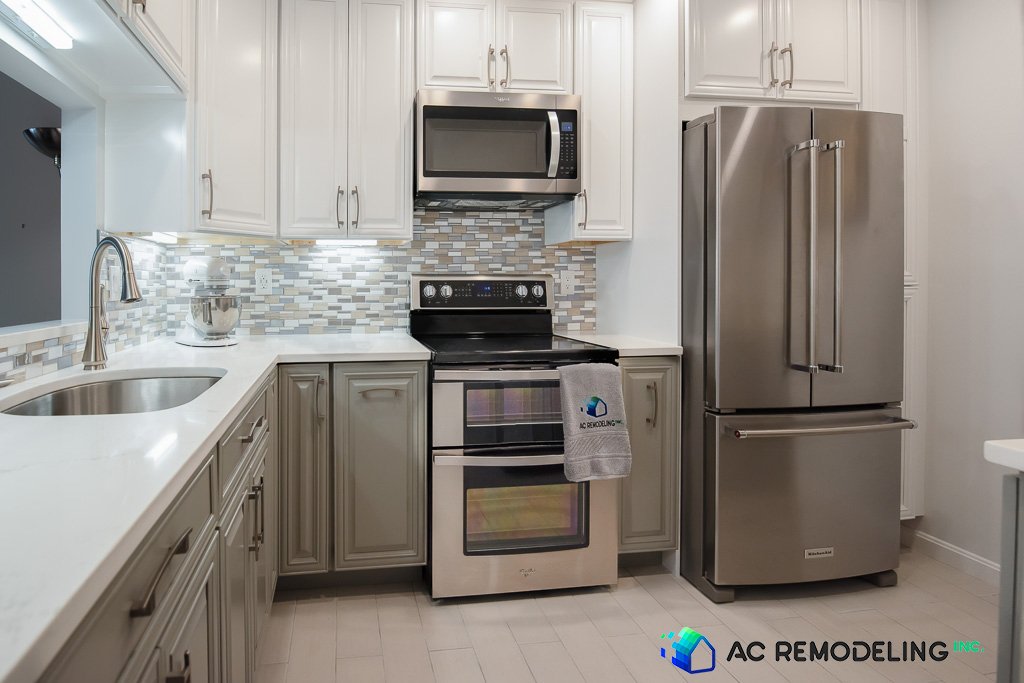
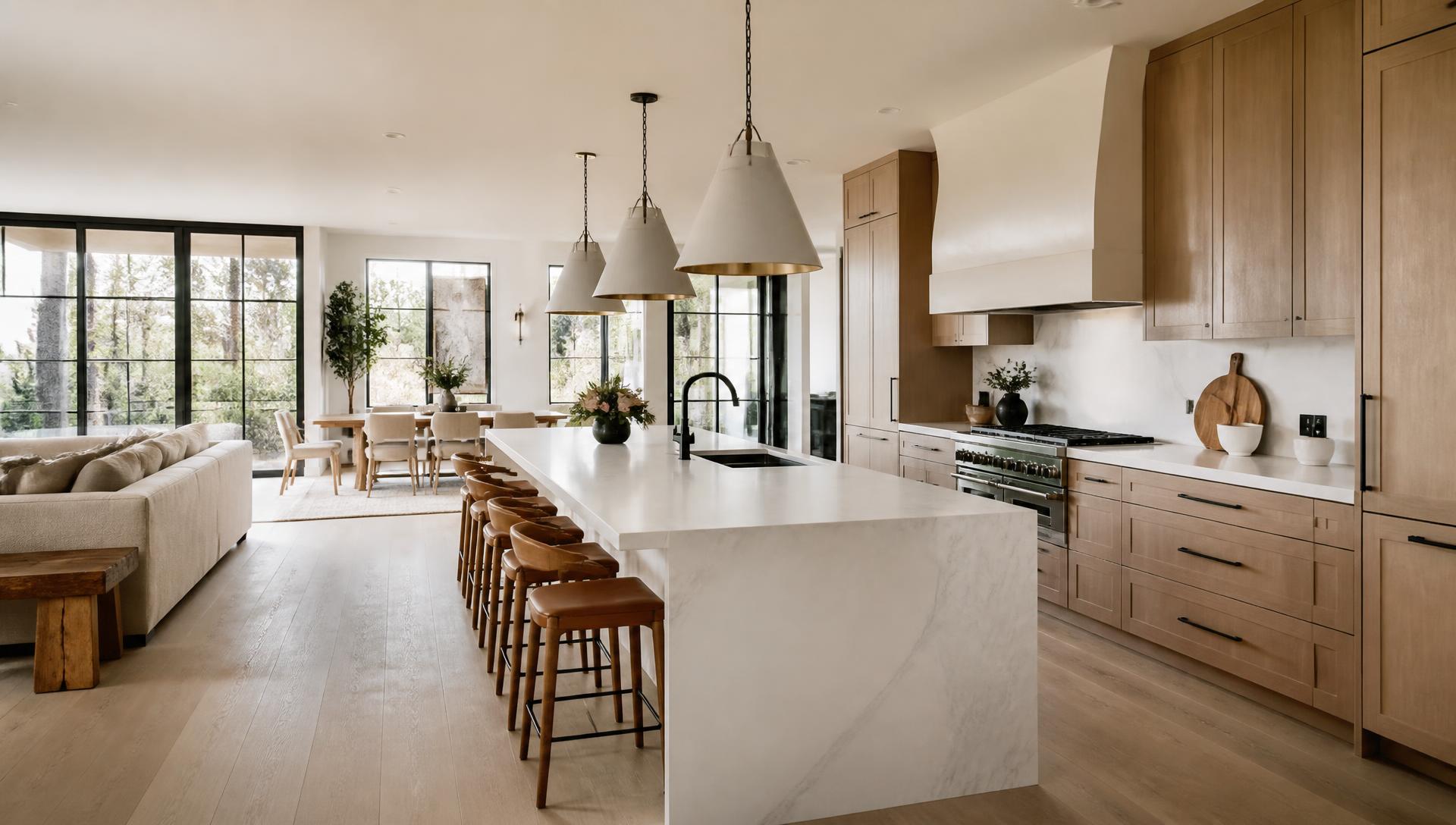
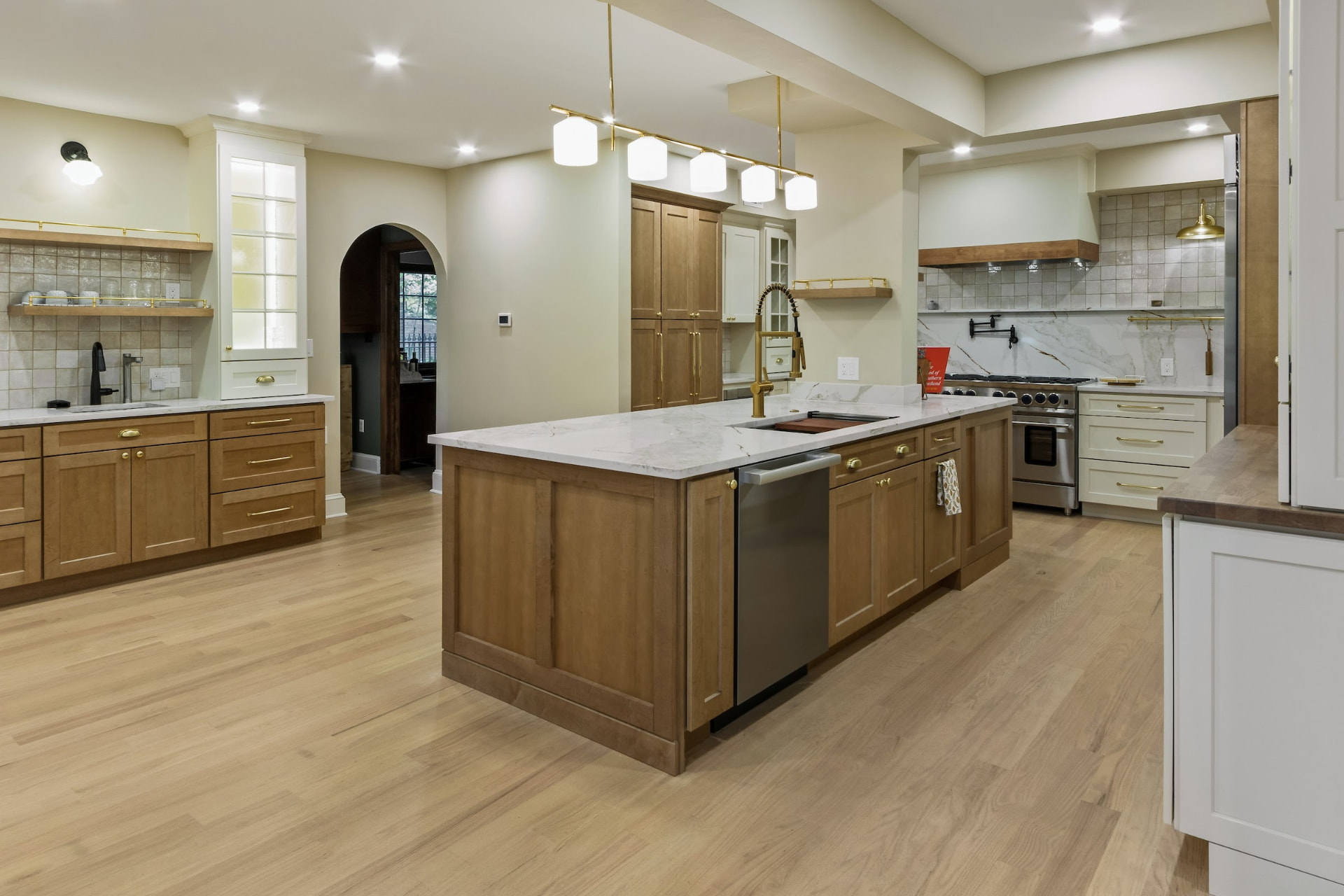
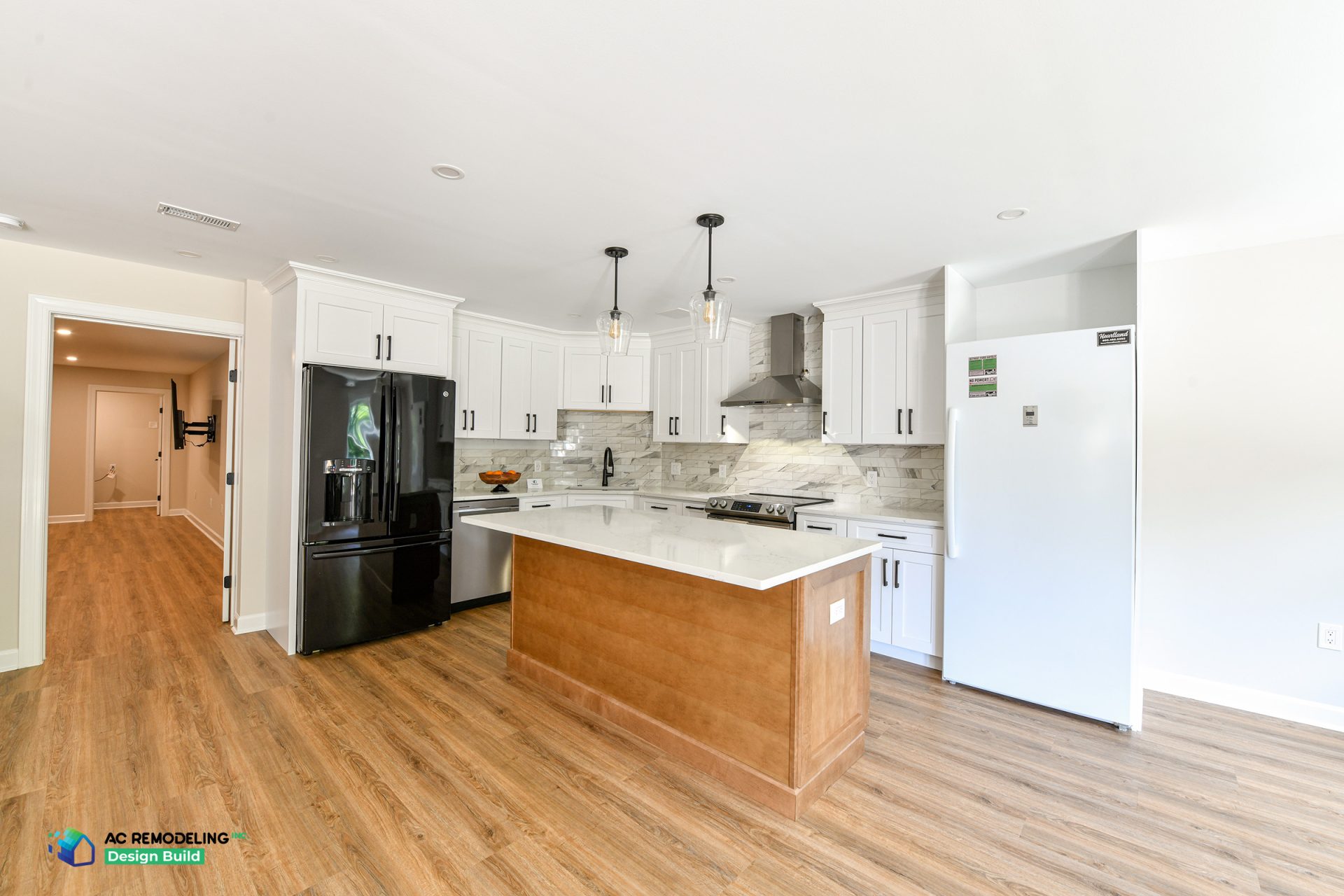
Kitchens and bathrooms are typically the most modernized spaces in historic homes. They require functional upgrades for daily use. However, balancing these updates with the details of the home’s period is important. For example, adding modern appliances or plumbing fixtures can be done tastefully by selecting styles that complement the original design. Retaining or restoring vintage cabinetry, sinks, and other unique features can help preserve the historic feel while making the space more functional.
Incorporating modern amenities—such as energy-efficient appliances, additional storage, or updated lighting—can be achieved while maintaining historical elements. Careful placement of modern features, combined with historically inspired materials and finishes, allows for a seamless blend of old and new.
Maintaining Original Woodwork and Materials
Original wood floors, moldings, and architectural details are some of the main components of a historic home’s charm. Preserving these features during a remodel helps maintain the home’s authenticity and value. Restorative techniques, such as sanding and refinishing original floors or repairing decorative moldings, can breathe new life into these materials without replacing them.
How to Balance Preservation and Modern Living
Balancing the historic parts of a home with modern amenities is a tricky business. Working with the right people and technology is key.
Find the Right Professionals for Your Home Upgrade
For the best results, it’s important you hire home remodeling professionals who have experience upgrading historic homes in the DC area. Look for contractors who can navigate historic regulations and come up with innovative solutions that respect your home’s original character and address modern needs.
Technology Without Visible Wiring
You can add modern technology to a historic home without compromising its looks. Wireless solutions for smart lighting, security systems, and climate control let you have modern living without visible wiring or invasive installations. Hidden tech options like smart thermostats or lighting controls built into the design can increase the home’s functionality while keeping its historic character.
Honoring the Past While Embracing the Future
Remodeling a historic home in DC requires a careful balance between preserving architectural heritage and making it suitable for modern living. With the right approach and professionals, it’s definitely possible to retain a home’s original charm while integrating necessary upgrades.
Whether it’s restoring woodwork, enhancing energy efficiency, or seamlessly incorporating modern technology, a thoughtful renovation can help homeowners enjoy the best of both worlds—timeless beauty and modern comfort.