Best Bathroom Materials For Hard Water
January 20, 2026 · 7 min read · AC Remodeling
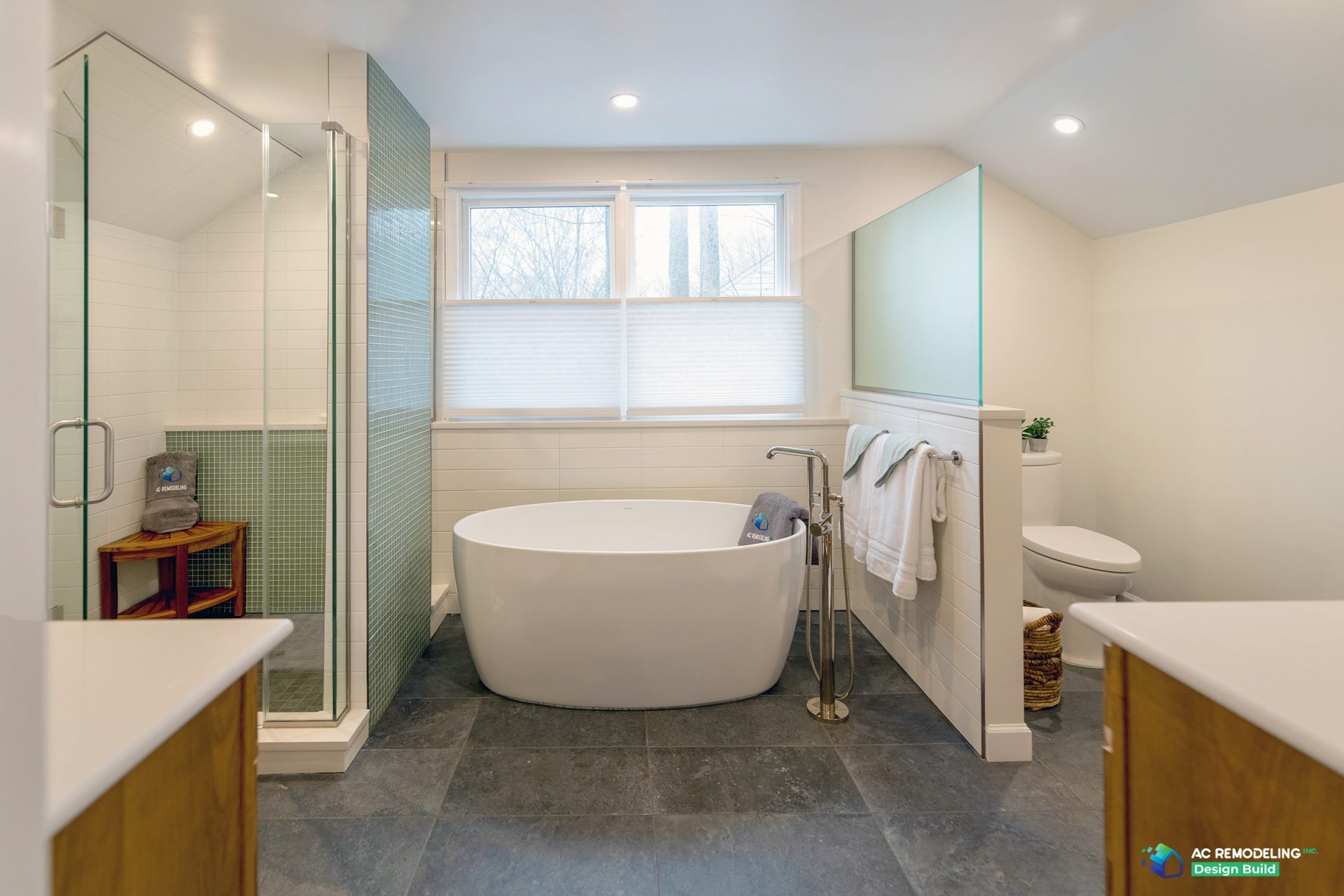
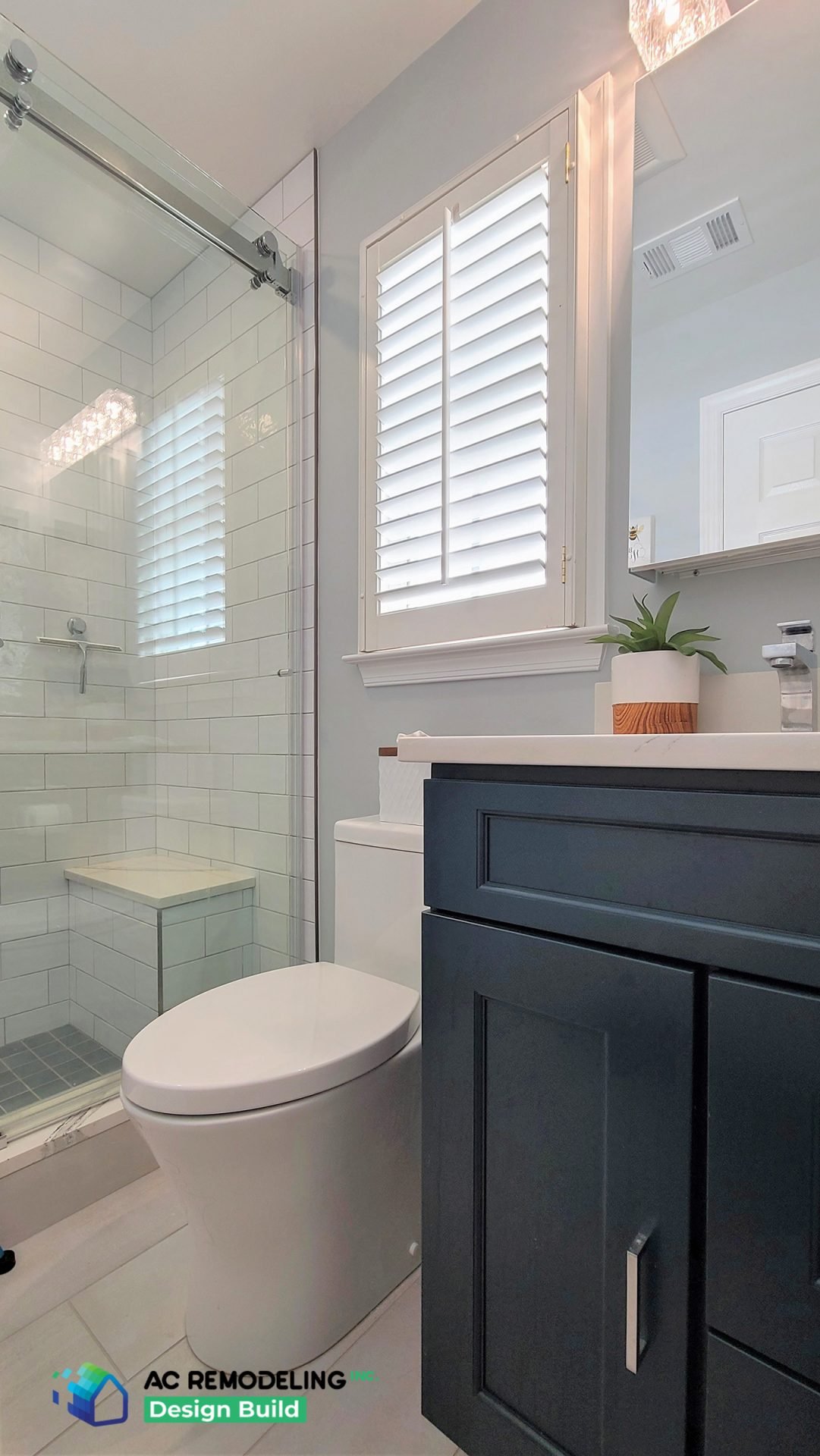
Hard water can be a source of real frustration, especially for homeowners unfamiliar with the problems it can cause. While hard water poses minimal health risks, it can lead to significant plumbing, maintenance, household cleaning, and bathroom fixtures problems.
Moreover, hard water can cause limescale to build up in your water heater and other appliances, making them less efficient and reducing their lifespan. As a result, you may be using more water than usual without even realizing it, causing a monthly increase in your water and electricity bill.
Hard water problems in your home should be detected early so you can solve them before it spirals out of control. If you're looking for a consultation for your bathroom remodeling efforts, our team can ensure your bathroom is taken care of properly.
What is Hard Water?
Water, while typically crystal clear, contains minerals and chemicals, and the concentration of certain minerals creates the "hardness" of water.
Some homes have hard water, or water with a high concentration of calcium, magnesium, lime, or other minerals. You can tell if your water is hard, if your hands still feel slimy after washing them with soap and water or if your drinking glasses don't seem as clear as they used to be.
If your home has hard water, surfaces like porcelain, enamel, china, stainless steel, tile, chrome, fiberglass, and glass will have mineral deposits, stains, or a white film. You may also see stains or buildup on bathroom fixtures, dishes, and sinks.
You can also tell if your water is hard by looking at these signs:
- Soap scum on tubs
- Sluggish sink drains
- Damages to appliances
- Pipes keep getting clogged
- Mineral buildup around faucets
- Corroded plumbing connections
- Scummy residue on showers and tubs
Can You Get Rid of Hard Water?
In most cases, hard water problems happen while doing household chores and taking a shower. The minerals in hard water accumulate in and around pipes, dishes, tiles, and laundry, making most soaps and cleaning products less effective.
If left untreated, hard water can cause extensive damage to almost every major system in your home. However, there are tried and tested DIY solutions and quality products to help you get rid of hard water.
1. Vinegar
Vinegar is a natural household cleaner with a remarkable ability to treat hard water, particularly in the kitchen, where calcium buildup appears on dishes and appliances. Pour some into a spray bottle to treat surfaces with hard water stains, or add some to your dishwasher to help treat glassware.
2. Cleaners for different hard water stains
- For brown, black, or other (from manganese and other minerals), use a paste made of cream of tartar and hydrogen peroxide, let stand, then rinse.
- Use soap suds and ammonia for green, blue-green stains (from copper or acid water), then rinse.
- For red, reddish brown (from rust or iron), use paste of cream of tartar and water, let dry, then rinse.
3. Showerhead Filters
Consider installing a showerhead filter to remove hard water minerals and other contaminants from your water. These specialized filters are best suited for people sensitive to the minerals in hard water, which can aggravate skin conditions like eczema.
4. Water Softener
Using a water softener is the best way to remove hard water permanently. It is a whole-house filtration system that takes minerals out of the water before it goes through your pipes, and this prevents hard water stains so that your plumbing fixtures remain in good condition.
How Does Hard Water Impact Your Bathroom Material and Fixture Selections?
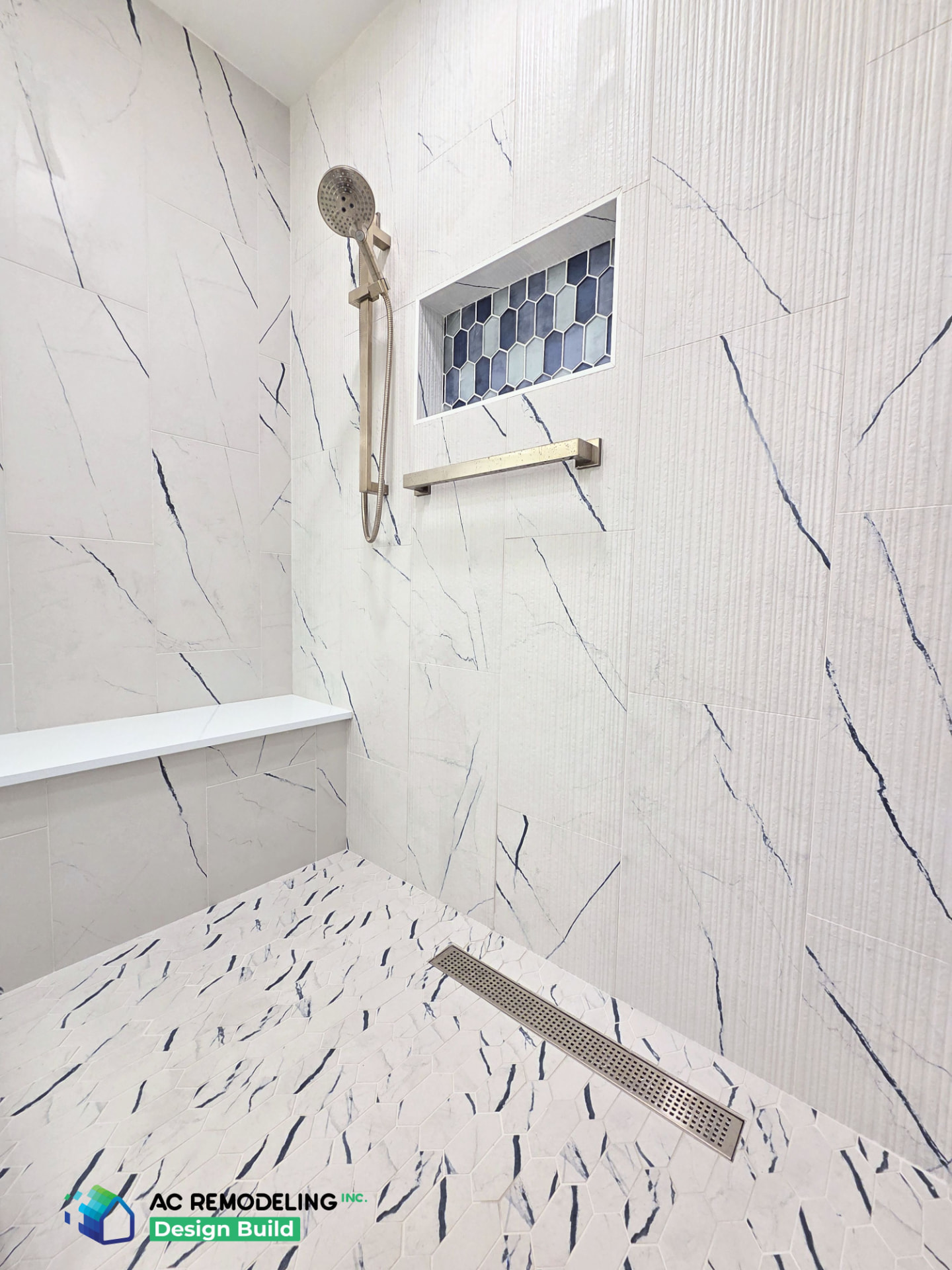
Anything in your house that comes in contact with hard water can get dirty and scaly. Your kitchen's drinking glasses, pots, pans, dishes, and silverware can look spotty and dirty because of hard water deposits.
Hard water can be problematic because it reacts with cleaning products, reduces the effectiveness of soap, and wears out appliances and fixtures more quickly than soft water. Bathroom fixtures such as tubs, showers, tiles, and other fixtures look horrible when covered in scale.
Here are some other impacts of hard water on your bathroom materials:
- Reduced water flow
- Stains tiles and bathroom surfaces
- Damages plumbing and water heaters
- Scale deposits shorten the life of water heaters
- Causes limescale to rack up on your shower head, reducing its performance
- Eats away the grout and adhesive that hold the tiles together, causing the tiles to fall and break and leave the wall open to water damage
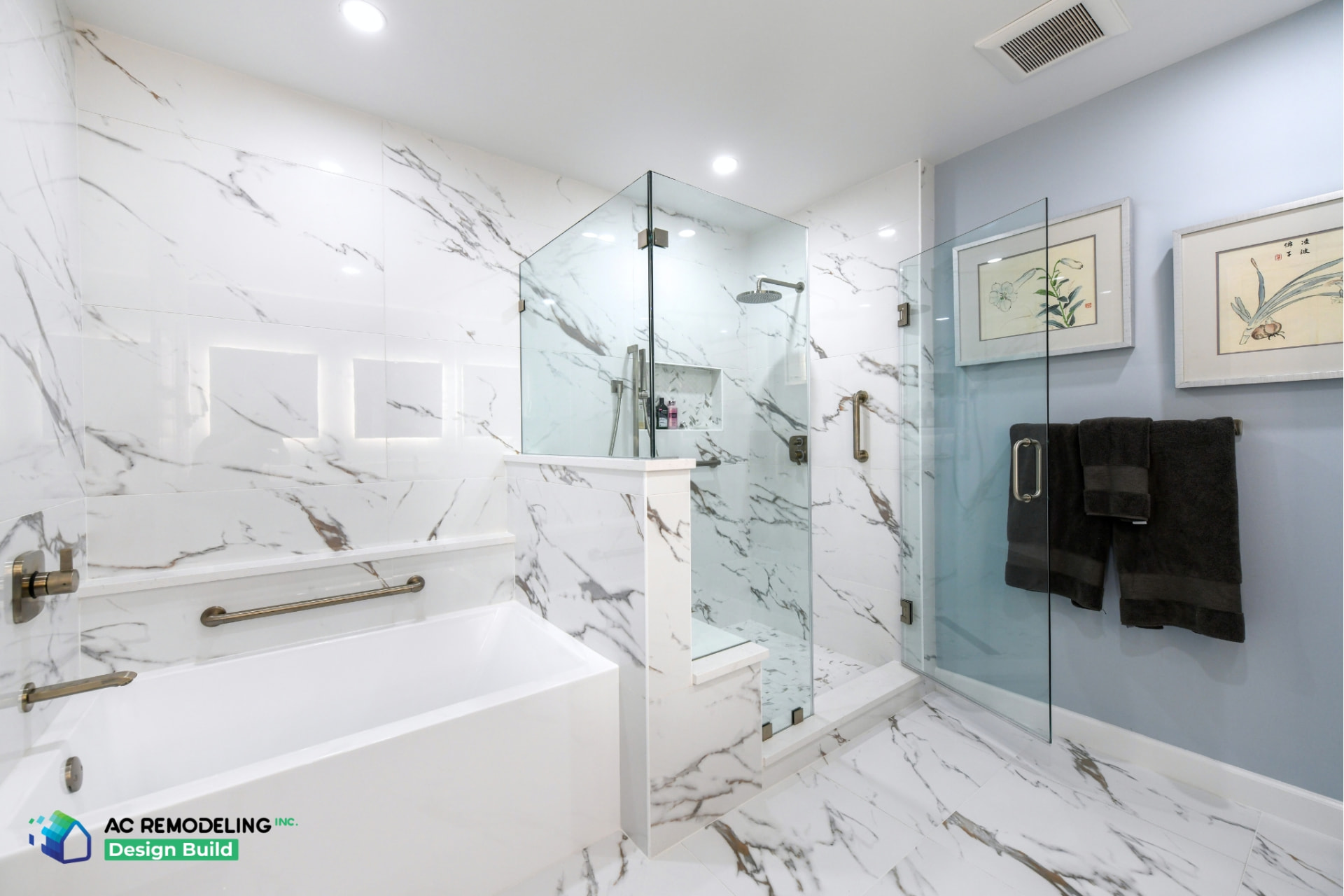
Best Tiles for Use in Hard Water
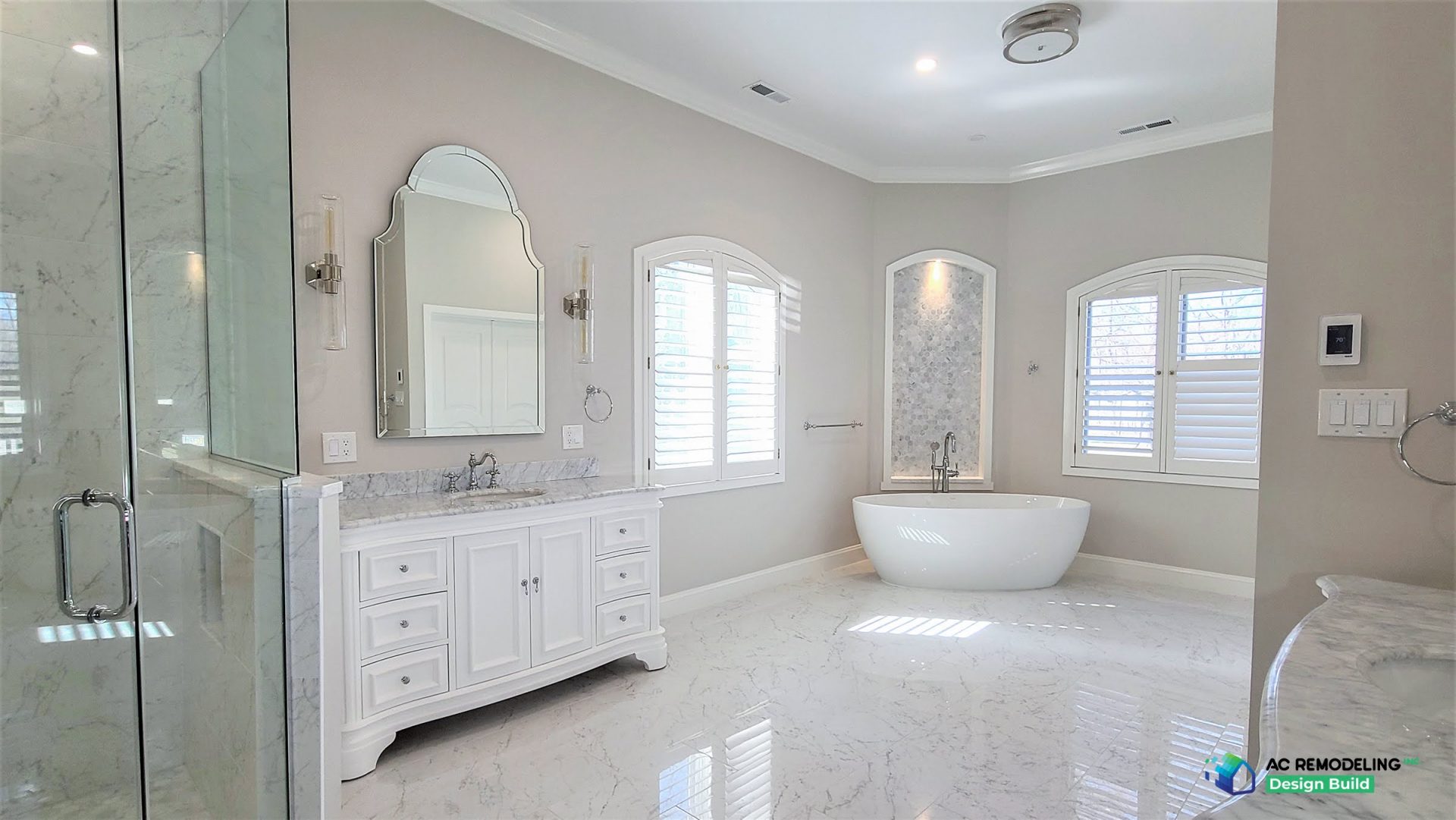
Areas exposed to hard water are prone to limescale buildup. Limescale is typically a white or light grey substance but can also be pink or reddish-brown. The tiling around showers, baths, and sinks is especially susceptible to limescale buildup in bathrooms.
Although hard water does not damage the tile, it weakens the adhesive and grout holding the tiles together. This causes tiles to fall and break more easily, exposing the wall to water damage. Nevertheless, certain types of tiles are suitable for use in areas with high limescale levels, and using them will prevent you from having to replace them more often.
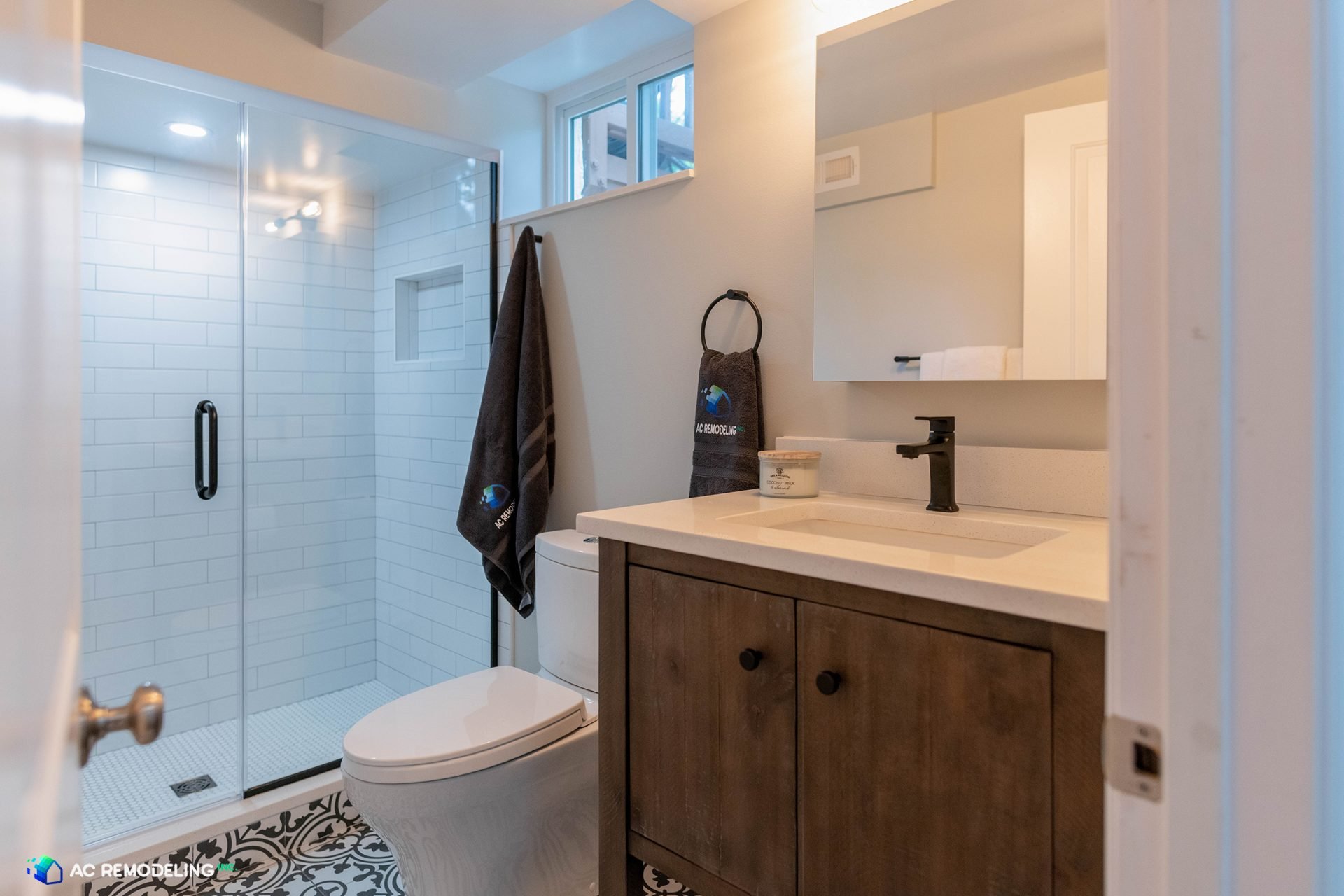
1. Glossy and Smoothed Finished Tile
Limescale is harder to build on tiles with a smooth, glossy finish. These are usually not porous, which means hard water can't fully get into the tile and cause limescale to build up.
2. Glass Tiles
The fact that glass tiles don't absorb any water keeps hard water from breaking down the adhesive that holds the tiles together. It's also easy to clean and looks great for decorative value.
3. Glazed Ceramic Tiles
Because of its extra sealant layer, ceramic tile is an excellent choice for resisting hard water. This additional layer of protection makes it more waterproof, durable and easily repaired.
4. Glazed Porcelain Tiles
Porcelain is made of refined clays that give it higher durability and scratch resistance than ceramic. Glazed porcelain is more resistant to hard water than glazed ceramic due to its durability and lack of porosity.
AC Remodeling · Design Build
Schedule a Design Consultation
Every project starts with a conversation, not a sales pitch. We'll respond within one business day to discuss your vision.
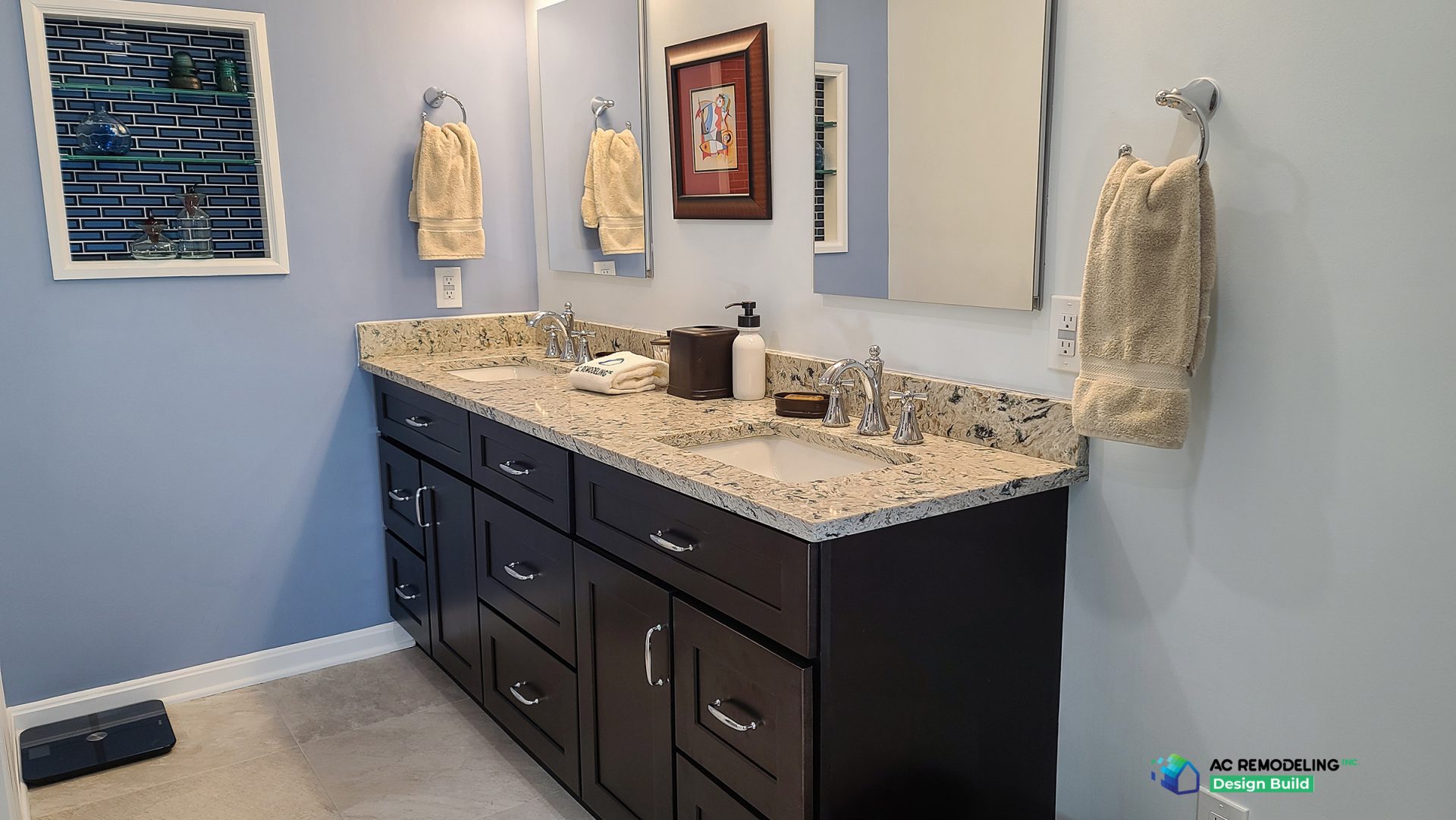
Recommended Countertop Material for Use with Hard Water
As a homeowner, you can choose from a wide range of countertop materials to create a truly unique bathroom. You can even use concrete to make your bathroom counter from scratch. Tile is another bathroom countertop that can be made from scratch and offers many design choices.
While there are numerous materials available for bathroom countertops, the following countertop materials are highly recommended for use with hard water: tiles, quartz, granite, and solid surface.
1. Tiles
Ceramic, porcelain, or glass tiles are traditional materials for countertops, but thanks to recent innovations, especially with porcelains, they are now used in trendy, modern ways. Porcelain tiles are commonly used in showers but require regular cleaning to avoid water spots. Following each shower use, some installers recommend wiping down the walls and fixtures with a squeegee or towel.
2. Quartz
With resin and other materials, quartz creates a highly durable countertop. This countertop material works best in bathrooms with a modern aesthetic, but it can also work well in high-traffic family bathrooms. Quartz is thought to be the most high-end material for countertops, and it will improve the look and value of most homes.
3. Granite
Because granite is a natural stone, each slab is unique, with subtle to bold patterns and colors. High-quality granite, like quartz, is a suitable surface that is easier to keep clean than marble, and it comes pre-polished in various patterns and colors such as blue, green, red, green, and so on.
4. Solid Surface
The most appealing aspect of using a solid surface is that it is a malleable material that can form into any shape. Solid surface is resistant to stains and the growth of mold or mildew, and it comes in a wide range of patterns, colors, and styles.
Best Faucets, Shower Heads, and Fixtures for Hard Water
When you have hard water in your home, mineral deposits cause your faucets to fail. This results in a sloppy look, ruining the beautiful lines of the faucet. But when you know which type of faucet, showerhead, and fixture will work best against hard water, you may be able to get a new bathroom for a fraction of the cost.
1. Kohler Bancroft Widespread Bathroom Sink Faucet
This Bancroft bathroom sink faucet has a slightly curved spout, an aerator, and two metal lever handles for precise temperature control. The set is completed by easy-to-install and leak-free UltraGlide valves and a pop-up drain and tailpiece.
2. Moen 90 Degree One Handled Bathroom Faucet
It has one handle that controls the pressure from the water outlet from underneath and is used to mix the water to the desired temperature. This faucet not only comes in two different colors (nickel and chrome), but it also has two different types of water flow: aerated and laminar flow.
3. Delta Haywood Single-Handle Bathroom Faucet
Delta's Diamond Seal Technology is the gold standard for preventing leaks and maximizing faucet life. The polished chrome finish is easier to clean than oil-rubbed bronze and most brushed finishes, so plumbers recommend it for people living in areas with hard water.
In need of a full-service bathroom remodeling service in Gaithersburg, MD? Our highly skilled designers, renovation specialists, and contractors at AC Remodeling will make your dream project a reality!
Call us at 240-220-9619 to discuss your project (or use our online contact form).